
The Role of Luck in Casinos
When discussing casinos, many people immediately associate them with luck, viewing it as a pivotal force in determining outcomes. In games of chance, such as slots or roulette, luck seems to take center stage, leaving players with minimal control over results. This notion is reinforced by stories of spontaneous jackpots and fortunate breaks that circulate among players, leading to the widespread belief that luck is a key factor in achieving casino success. Additionally, many enthusiasts enjoy the thrill of betting on their favorite games, further embedding the idea that luck is an essential component of the gambling experience.
However, it is crucial to understand that luck is only one piece of a much larger puzzle in gambling. While it can yield short-term wins, the fundamental mathematics of each game significantly influences long-term outcomes. For example, in poker and blackjack, a player’s skill level, strategic approach, and understanding of game mechanics can greatly impact their success, often eclipsing the randomness associated with luck. Thus, while luck can play a role in specific instances, it does not guarantee continuous success in the casino environment. This realization can help players adjust their expectations and strategies accordingly.
Recognizing the interplay between luck and skill allows players to adopt a more balanced approach to their gambling experiences. By emphasizing games that require skill, such as poker, players can reduce the randomness of luck, giving them more influence over their outcomes. This shift in perspective can lead to a more informed approach to gambling, where individuals appreciate the limitations of luck and the advantages of developing strategies and techniques that enhance their likelihood of success. Ultimately, understanding that luck is just one aspect of the gaming experience can empower players to make better choices.
The Psychology of Luck
The psychological dimensions of luck in gambling are profound, significantly shaping how players perceive wins and losses. Gamblers often attribute their successes to luck while blaming their failures on bad luck or external circumstances, a cognitive bias that can distort reality. This is known as the “illusion of control,” where players mistakenly believe they can manipulate outcomes through their decisions, despite the inherent randomness of many casino games. Recognizing this bias is crucial, as it helps players become more aware of their thought processes and the potential for misplaced confidence.
The emotional rollercoaster associated with gambling is heavily influenced by this psychological reliance on luck. Winning streaks can produce euphoria and an inflated sense of self-assurance, often prompting players to take greater risks. Conversely, losing streaks can lead to feelings of disappointment and frustration, which may drive players back to the casino in hopes of regaining their luck. This cycle of highs and lows can be both intoxicating and perilous, as players chase the thrill of victory while risking their financial stability. Understanding these emotional triggers can help players navigate their gambling experiences more wisely.
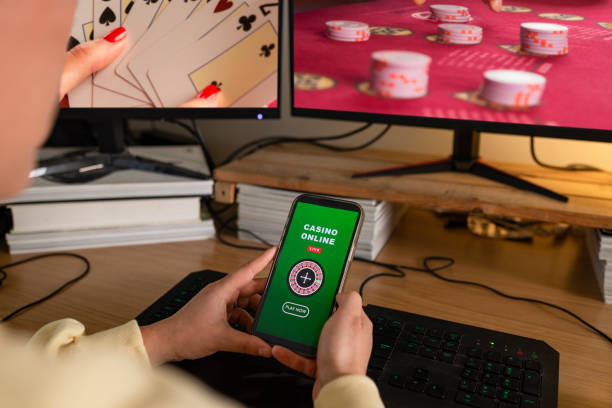
Furthermore, the casino environment itself plays a significant role in shaping perceptions of luck. The vibrant lights, engaging sounds, and celebratory announcements when players win all contribute to the illusion that luck is a tangible force in the gaming experience. Players may become fixated on particular machines or tables deemed “lucky,” leading them to invest more based on perceived fortune rather than sound decision-making. By understanding these psychological triggers, players can approach their gaming sessions with a more rational mindset, reducing the impact of luck on their decision-making processes.
Luck vs. Skill: A Balanced Approach
The ongoing debate regarding luck versus skill in gambling remains intricate and multifaceted. While numerous games are fundamentally based on chance, others, such as poker and blackjack, demand a significant level of skill and strategic thinking. Players who grasp this distinction can markedly improve their overall success and enjoyment. For instance, in poker, understanding odds, reading opponents, and making informed decisions often outweigh the role of luck, enabling skilled players to capitalize on their knowledge. This highlights the importance of skills development in enhancing a player’s overall gambling experience.
Moreover, honing skills in games that require strategy can empower players to manage their bankroll more effectively. Players equipped with an understanding of game mechanics and odds can potentially minimize their losses and enhance their winning chances over time, demonstrating that while luck may have a place, informed decision-making and skill development are vital for sustained success. This knowledge fosters a healthier gambling approach, where players actively engage with their choices rather than passively relying on luck. This proactive mindset can lead to more satisfying outcomes.
Incorporating a balanced perspective that acknowledges both luck and skill can significantly enhance a player’s gambling experience. Those who embrace strategic methodologies while remaining open to the unpredictability of luck are likely to find greater satisfaction in their gaming pursuits. This mindset not only enriches the overall experience but also helps mitigate the risks associated with gambling, encouraging players to approach their sessions with a sense of realism and enjoyment. Ultimately, finding harmony between luck and skill can lead to a more fulfilling and responsible gaming experience.
The House Edge and Its Implications
Understanding the house edge is pivotal in the dialogue surrounding luck and casino success. The house edge refers to the inherent mathematical advantage that casinos maintain over players in every game. This advantage guarantees that, over time, the casino will consistently profit, irrespective of individual moments of luck. For example, in games like roulette, the inclusion of a zero or double zero gives the house an edge that diminishes the randomness of luck-related outcomes, ensuring that the odds remain in favor of the casino. Players must be mindful of this reality as they engage with various games.

As players engage with various casino games, it is vital to acknowledge that while luck may lead to sporadic victories, the house edge consistently operates against players over the long haul. This reality underscores the significance of implementing intelligent strategies and managing one’s bankroll prudently to counteract potential losses. By understanding the mechanics underlying different games, players can empower themselves, shifting their focus from relying on luck to engaging in more strategic and calculated gameplay. This shift can lead to a more successful gambling experience overall.
Moreover, familiarizing oneself with the odds and payouts associated with various games can greatly influence a player’s decisions within the casino. Individuals who invest time in learning about the games they choose to play often experience more favorable outcomes compared to those who enter without adequate knowledge, relying solely on fleeting lucky streaks. This awareness not only cultivates a more strategic mindset but also diminishes the dependency on luck as the primary determinant of success in the casino setting. In essence, knowledge truly is power in the world of gambling.
Final Thoughts on Luck and Responsible Gambling
In conclusion, while luck undeniably plays a role in the casino experience, influencing individual moments of play, it is essential for players to recognize that luck is not the sole or primary factor in determining success. A balanced approach that combines skill with a clear understanding of the inherent risks involved can lead to a more gratifying gambling experience. Emphasizing responsible gambling and adopting effective strategies can help mitigate losses while enhancing enjoyment throughout the gaming journey. Players who prioritize responsibility are more likely to have a positive experience.
Ultimately, navigating the intersection of luck and casino success lies in the awareness that, while luck can lead to exhilarating outcomes, it should not overshadow the importance of skill, strategy, and self-awareness. By prioritizing responsible play and educating themselves about games and their associated odds, players can foster a healthier approach to gambling, one that emphasizes enjoyment over the relentless pursuit of luck. This balanced perspective can lead to a more sustainable gambling practice.
For those eager to amplify their gaming experience while grasping the intricacies of luck, exploring trustworthy resources can prove invaluable. Engaging with forums, insightful articles, and expert opinions equips players with the knowledge necessary to make informed decisions in the casino atmosphere. Taking proactive steps toward responsible gambling can lead to a more sustainable and enjoyable casino experience, allowing players to appreciate the thrill of the game without becoming ensnared in the whims of fortune. Ultimately, the journey through the casino landscape can be both exhilarating and enlightening.
