
The Concept of Luck in Gambling
Luck is an essential component of the gambling experience, intricately linked to the psychology of players. When individuals step into a casino, the thrill of potential victory often hinges on chance, creating an electrifying atmosphere. This unpredictability keeps players returning, fueled by the hope of striking it lucky at the best payid casino australia . The belief in luck can sometimes overshadow skill or strategy, leading individuals to depend more on intuition than on statistical probabilities. Such reliance on luck can make every game feel like a fresh adventure, with the outcome hanging in the balance.
Many players attribute their wins to luck, reinforcing the idea that in games of chance, fortune can dictate outcomes. For instance, a player might experience a remarkable series of wins that evoke a euphoric high, enhancing their overall casino experience. This feeling is not just about the money won but also about the excitement and joy associated with winning. However, it is vital to understand that luck is inherently random, capable of shifting in an instant, resulting in losses just as easily as it brings victories. This duality is what makes gambling compelling yet unpredictable.
Luck is often personified in various cultures, influencing players’ experiences in unique ways. Some may carry lucky charms, adhere to specific rituals before playing, or select numbers they deem fortunate. These practices reflect how deeply the notion of luck is embedded within gambling culture, impacting decisions and emotional responses in the casino. This interplay between culture and luck creates a rich tapestry of beliefs that can enhance or diminish the gambling experience, depending on individual perspectives and experiences.
The Psychological Effects of Luck on Players
The psychology of luck in casinos significantly influences how players engage with games. When players believe they are on a lucky streak, they may take more risks, leading to increased excitement but also potential financial losses. This connection between luck and risk-taking behavior is fascinating, showcasing how perception can shape decision-making processes. A player convinced of their good fortune may feel emboldened to wager larger sums, hoping to maximize their profits before their luck runs out. This belief can create a powerful cycle of excitement and anticipation.
Conversely, when luck appears to turn against players, it can lead to frustration, anxiety, and the infamous phenomenon known as “chasing losses.” This behavior often results in players making irrational decisions, attempting to recover lost funds by placing even larger bets. Such psychological cycles can create a toxic environment where the initial thrill of gambling devolves into stress and disappointment. Understanding these psychological effects is crucial for responsible gambling and maintaining a positive experience at the tables, as awareness can help players navigate the ups and downs of luck.
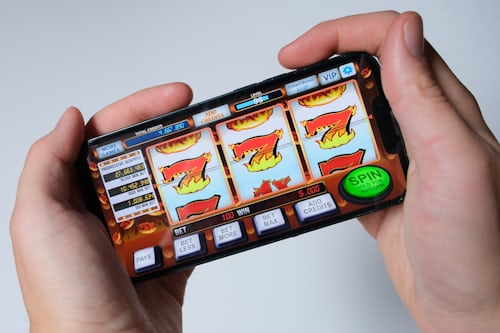
Moreover, casinos are aware of these psychological triggers and often design their environments to amplify the allure of luck. The sounds of slot machines ringing, the flashing lights, and the cheers of winners create a stimulating atmosphere that encourages continuous play. This sensory overload can draw players into a cycle fueled by the hope of being the next lucky winner, reinforcing the psychological grip that luck holds in gambling. As such, players must remain mindful of how these elements can affect their perception of luck and their overall gambling experience.
The Role of Chance in Game Mechanics
The mechanics of casino games inherently revolve around chance, emphasizing luck’s role in the player experience. Games such as slots, roulette, and dice games are designed to ensure that outcomes remain largely unpredictable. Even in games where skill plays a more significant role, such as poker, elements of luck can heavily influence the game’s outcome. A skilled player can still be at the mercy of the cards dealt, underscoring the complex relationship between skill and chance. This dynamic can either enhance or detract from the experience, depending on a player’s perspective.
For instance, in slot machines, wins depend entirely on random number generators, meaning that luck determines not only when or if a player wins but also how much they win. Many players may not fully grasp the odds involved, mistakenly believing that their chances improve through various strategies or behaviors. This misunderstanding can lead to an overemphasis on luck as the deciding factor in gambling success, overshadowing the importance of understanding the games themselves. Educating players about odds and probabilities can help them develop a healthier relationship with luck.
The allure of luck in games such as blackjack or poker creates a unique blend of strategy and chance, giving players the impression that skill can influence their luck. However, even in these games, a bad run of cards can severely impact a player’s experience. Hence, while luck plays a foundational role in casino experiences, the integration of skill adds layers of complexity, making every game distinct in how luck manifests itself during play. This intricate balance between chance and strategy is what makes each gaming session an unpredictable and engaging experience.
The Impact of Community and Social Factors on Luck
The social aspect of gambling can also magnify the influence of luck on players’ experiences. Engaging with other players can create a collective sense of energy that enhances the feeling of luck within the casino. For example, during major events or tournaments, the camaraderie and shared excitement can lead players to feel luckier. This social dynamic transforms a solitary gambling experience into one filled with shared hopes and aspirations, amplifying the desire for luck to be on their side. Such interactions can foster a sense of belonging and community among players, enriching their overall experience.

Moreover, tales of wins—whether exchanged among players at the table or shared through social media—can create a narrative of luck that influences individual beliefs. When players hear stories of incredible wins from their peers, they often feel invigorated and more optimistic about their chances. This phenomenon not only impacts their emotional state but also encourages them to engage more deeply with games, believing that their moment of luck could be just around the corner. This collective storytelling can serve to enhance the thrill of the game, motivating players to participate more actively.
However, it is essential to acknowledge that social pressure to win can have adverse effects, leading to increased stress and heightened expectations. Players might feel compelled to maintain a positive image by continuing to gamble, even when luck is not on their side. This interplay between social factors and the concept of luck illustrates the complex ways community interactions can shape individual gambling experiences, bringing both heightened joy and potential pitfalls. Understanding these dynamics is crucial for fostering a healthy and enjoyable gambling environment.
Concluding Thoughts on Luck and Casino Experiences
In conclusion, luck is a pivotal element that profoundly shapes the casino experience for players. From the moment individuals walk into a gaming establishment, their perceptions and beliefs about luck can dictate their behavior, strategies, and overall enjoyment. The randomness of outcomes, combined with psychological factors and social influences, creates a unique gambling landscape where every player’s journey with luck is distinctly different. Recognizing the role of luck can lead to a more enriching experience and a greater appreciation for the games themselves.
Understanding how luck influences your casino experience not only enhances the enjoyment of the games but also serves as a reminder to approach gambling with a balanced mindset. By recognizing that luck is merely one component of the gambling equation, players can develop healthier habits and savor their time at the casino without succumbing to unrealistic expectations or emotional distress. This awareness can lead to a more fulfilling and responsible gambling experience.
Ultimately, fostering a positive approach to luck in casinos results in a more enjoyable experience. Embracing the unpredictability of luck while engaging with the games intelligently allows players to appreciate the thrill of the experience fully. Whether you are an occasional player or a seasoned veteran, understanding how luck influences your casino experience can enhance your enjoyment and promote responsible gambling practices, ensuring that your time spent at the tables remains enjoyable and memorable.
