
The Elements of Ambiance in Casino Design
The ambiance within a casino is meticulously crafted to create an inviting yet thrilling environment that captivates guests. Designers utilize lighting, colors, and sound to manipulate emotional responses and enhance the overall mood. For example, dimly lit areas combined with vibrant colors can evoke a sense of excitement, drawing players deeper into the gaming floor. This careful orchestration of sensory stimuli plays a crucial role in encouraging players to stay longer and engage more deeply with the games, especially on casino sites fast withdrawal where convenience enhances the overall experience. The ambiance is designed to feel like an enticing escape from reality, making players more likely to immerse themselves in the experience.
The use of sound in casinos is particularly interesting, as it often features upbeat music and the enticing sounds of machines that signal wins. This auditory environment creates a rhythm that keeps the energy high and encourages more play. Even the design of the casino floor is strategic, using open spaces and winding pathways that lead players from one area to another, preventing them from easily finding exits and thereby extending their stay. Each of these elements works in tandem to enhance the overall experience and elicit a psychological response that keeps players engaged, creating an environment where time seems to dissolve.
Additions such as themed decor and interactive displays further immerse visitors into a world designed for escapism. This immersion can amplify the thrill of gaming and transport guests away from the mundanity of everyday life. By creating these unique spaces, casinos can foster loyalty among their customers, who come to associate the excitement of gaming with the specific ambiance of the casino. It’s this emotional connection to the environment that makes guests more likely to return for a repeat experience, reinforcing the psychological effectiveness of the design choices made.
The Role of Layout and Flow
The physical layout of a casino is meticulously planned to guide patrons through various gaming areas in a way that maximizes their exposure to the games and amenities. Designers often employ a non-linear layout, allowing players to encounter different gaming options as they explore the space. This strategic flow encourages patrons to engage with multiple games, increasing the likelihood of prolonged play and potentially higher spending. The layout is designed to be an adventure in itself, where every corner turned can unveil new opportunities to gamble and win.
Casinos intentionally avoid having clear sightlines to exits, creating an atmosphere where players may lose themselves in the experience and forget about time. Instead of straight corridors, pathways might wind through various attractions, ensuring that guests encounter enticing visuals and sounds at every turn. This design choice not only maintains a high level of engagement but also encourages exploration, making patrons more likely to discover new games or areas they hadn’t planned to visit. The layout is a labyrinth of excitement, where the journey is just as important as the destination.

Additionally, the placement of high-stakes games near the entrance can draw in players who are eager to test their fortunes. This not only creates a sense of excitement but also gives an impression of exclusivity. It’s a psychological tactic that capitalizes on the thrill of gambling, enticing individuals to immediately immerse themselves in the gaming experience as soon as they step through the doors. Thus, every aspect of layout and flow is designed to encourage exploration and engagement, making the casino floor a playground for adults.
The Impact of Rewards and Incentives
Reward systems within casinos are designed to operate on psychological principles that leverage human desires for achievement and validation. Comp programs, loyalty points, and other incentives are not just marketing tools; they play a crucial role in keeping players engaged. These programs often employ tiered structures, where higher levels of play unlock greater rewards, creating a compelling motivation for players to keep gambling to achieve the next reward level. This structure taps into the psychological need for progress and accomplishment, making players feel like they are on a journey toward a significant goal.
The allure of free drinks, meals, or even luxurious accommodations serves as additional incentives for players to remain on the casino floor. Casinos understand that the experience of receiving a reward can create positive associations, reinforcing the idea that spending time and money will bring tangible benefits. This approach can lead to a cycle of gambling where players feel compelled to return to maintain their status within reward programs. The psychological reinforcement of rewards creates a compelling narrative that keeps players coming back for more.
Moreover, psychological studies have shown that small, frequent rewards can be more motivating than infrequent large payouts. This is why slot machines might offer a series of small wins that keep players engaged, reinforcing the behavior of continued play. The perception of winning, whether large or small, can trigger the release of dopamine in the brain, fostering an addictive cycle that casinos skillfully exploit. This strategic manipulation of reward systems is a fundamental aspect of casino design, ensuring that the thrill of potential gain remains ever-present in the minds of players.
The Psychology of Color and Design Choices
Colors significantly influence human emotions and behaviors, and casinos strategically use this knowledge in their design. For instance, the use of red is prevalent in many gaming areas, as studies show that it can evoke feelings of excitement and urgency. Vibrant colors combined with careful design decisions drive players toward high-energy areas, thus enhancing their gaming experience and encouraging prolonged engagement. This calculated use of color creates an emotional landscape that aligns with the thrill of gambling, making it an essential tool in casino design.
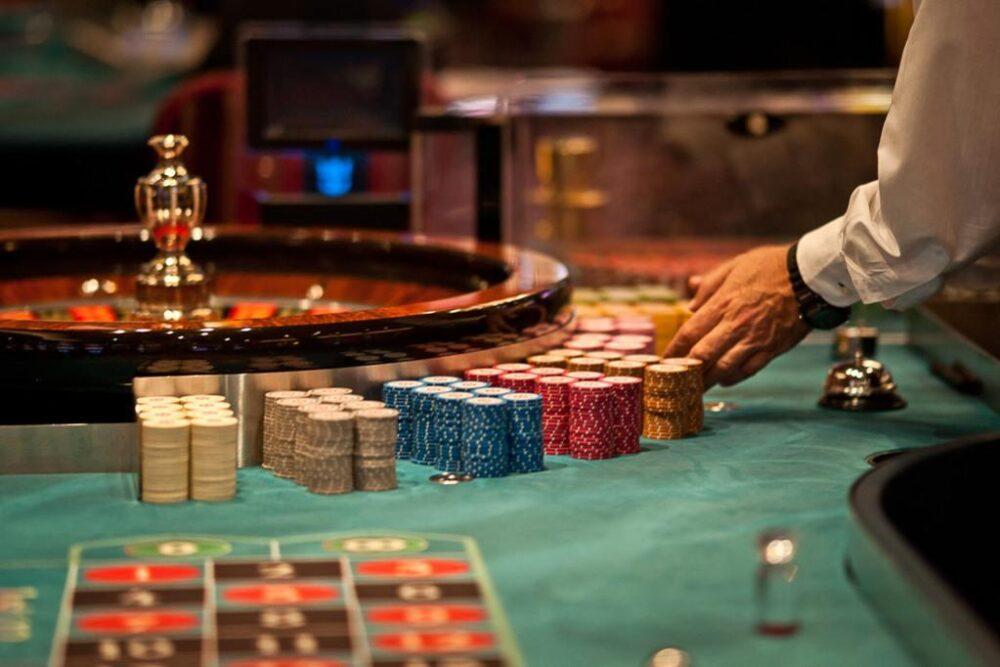
In contrast, cooler colors like blue and green are often used in relaxation areas or lounges where players can take a break. These color choices can help manage the emotional highs and lows associated with gambling, offering an environment conducive to recovery from intense gaming sessions. By balancing the use of colors, casinos create spaces that cater to both excitement and relaxation, further enhancing the overall experience. This thoughtful integration of color psychology allows casinos to shape the emotional journey of their patrons.
The design choices extend beyond color to include textures and materials that influence player comfort and perception of luxury. Plush carpets and comfortable seating invite guests to linger, while sophisticated architectural elements enhance the feeling of prestige. This carefully curated environment not only provides comfort but also elevates the entire gaming experience, making patrons feel special and valued — a key psychological factor that encourages repeat visits. By considering every detail in the design, casinos create a holistic environment that enhances the allure of gaming.
Exploring Casino Design Online
The principles of casino design extend into the digital realm, where online casinos strive to recreate the immersive experiences found in physical locations. Online platforms leverage high-quality graphics, engaging themes, and interactive elements to capture the essence of traditional gaming experiences. Understanding the psychology of user interaction allows these digital spaces to keep players engaged and entertained. By employing familiar design elements from brick-and-mortar casinos, online platforms aim to evoke a sense of nostalgia while simultaneously providing modern conveniences.
User interface and user experience design in online casinos also play critical roles in player retention. Seamless navigation, visually appealing layouts, and quick access to popular games are essential for maintaining user interest and encouraging longer gaming sessions. Additionally, many online casinos incorporate social features that mimic the interaction found in physical casinos, thereby tapping into the desire for social engagement. This blending of social and gaming experiences taps into the human need for connection, making online gaming more appealing.
As the online gambling market continues to grow, understanding the psychological aspects of design becomes increasingly important. Just as physical casinos utilize sensory elements to evoke emotional responses, online platforms are tasked with creating their own unique experiences to draw in and retain players. A focus on user psychology ensures that these digital environments remain competitive and compelling in the ever-evolving world of online gaming. In this digital age, the art of casino design has adapted, merging technology with psychological principles to keep players returning for more.
